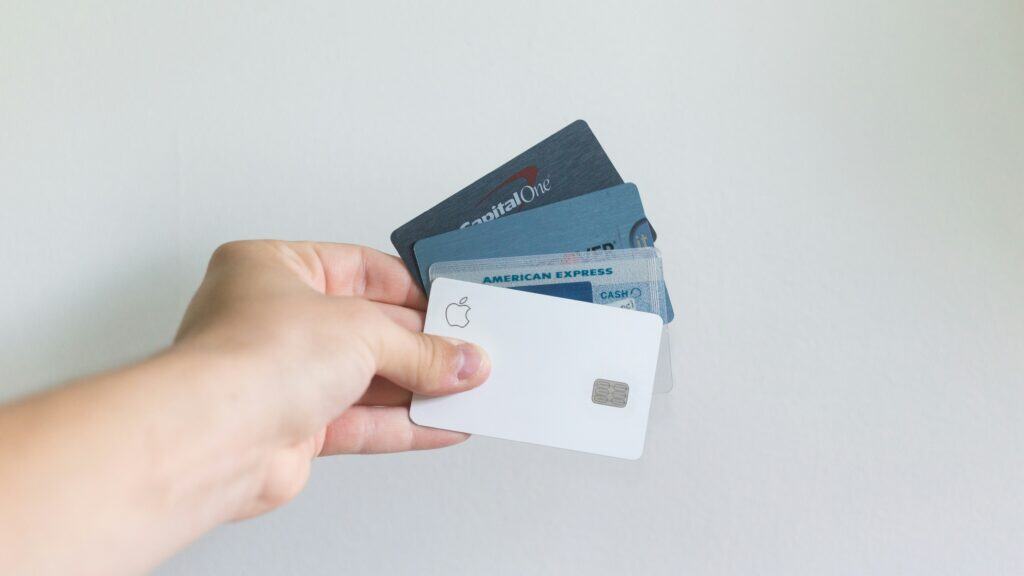
Credit Cards: The Complete Professional Guide to Smart Usage, Risk Management, and Financial Optimization
Credit cards are among the most powerful financial tools available in modern personal finance. When used strategically, they provide liquidity, rewards, credit-building opportunities, fraud protection, and short-term financing flexibility. When misused, they can create high-interest debt cycles that damage credit scores and long-term financial stability.
This comprehensive professional article explains credit cards in depth — including structure, interest calculation, credit scoring impact, risk management, rewards optimization, business use, regulatory environment, and advanced strategies.
1. What Is a Credit Card?

A credit card is a revolving line of credit issued by a financial institution that allows the cardholder to borrow funds up to a predefined credit limit for purchases, balance transfers, or cash advances.
Unlike debit cards, which withdraw money directly from a bank account, credit cards provide temporary access to borrowed funds that must be repaid according to agreed terms.
Major global payment networks include:
- Visa Inc.
- Mastercard Incorporated
- American Express
- Discover Financial Services
These networks process transactions but do not always issue the credit themselves. Banks and financial institutions act as issuers.
2. Core Components of a Credit Card
Understanding structural components is essential for strategic usage.
2.1 Credit Limit
Maximum amount that can be borrowed at any given time.
2.2 APR (Annual Percentage Rate)
The yearly interest rate charged on outstanding balances.
Types of APR:
- Purchase APR
- Balance transfer APR
- Cash advance APR
- Penalty APR
2.3 Billing Cycle
Typically 28–31 days. Purchases during this cycle appear on the monthly statement.
2.4 Grace Period
Interest-free period if the statement balance is paid in full before the due date.
2.5 Minimum Payment
Smallest amount required to avoid late penalties. Paying only the minimum increases long-term interest cost significantly.
3. How Credit Card Interest Works
Credit cards use compound interest on unpaid balances.
Average Daily Balance Method
Most issuers calculate interest using:
- Daily balance tracked.
- Daily periodic rate applied.
- Interest accumulated across the billing cycle.
Formula:
Interest = Average Daily Balance × (APR ÷ 365) × Number of Days
If balances are not paid in full, interest compounds monthly.
4. Types of Credit Cards
4.1 Standard Credit Cards
Basic borrowing with no rewards or premium features.
4.2 Rewards Credit Cards
Offer:
- Cashback
- Travel points
- Airline miles
Examples of airline-linked ecosystems may include loyalty programs associated with airlines such as:
- Delta Air Lines
- Emirates
4.3 Secured Credit Cards
Require a refundable security deposit. Designed for credit-building.
4.4 Student Credit Cards
Lower limits and easier approval criteria.
4.5 Business Credit Cards
Designed for company expenses and expense tracking.
4.6 Premium Credit Cards
High annual fees with luxury benefits:
- Lounge access
- Travel insurance
- Concierge services
5. Credit Score and Credit Cards
Credit cards heavily influence credit scores.
Major credit scoring model:
- FICO
Five Core Credit Score Factors
- Payment history (35%)
- Credit utilization (30%)
- Length of credit history (15%)
- Credit mix (10%)
- New credit inquiries (10%)
Credit Utilization Ratio
Formula:
Utilization = Outstanding Balance ÷ Credit Limit
Experts recommend keeping utilization below 30%, ideally below 10% for optimal scoring impact.
6. Benefits of Credit Cards
6.1 Credit Building
Responsible usage builds creditworthiness.
6.2 Fraud Protection
Zero-liability policies on unauthorized transactions.
6.3 Rewards Optimization
Cashback or travel value accumulation.
6.4 Purchase Protection
Extended warranties and dispute resolution rights.
6.5 Cash Flow Management
Short-term liquidity between billing cycles.
7. Risks of Credit Cards
7.1 High Interest Rates
APR can exceed 20–30%.
7.2 Debt Spiral Risk
Minimum payments prolong debt for years.
7.3 Penalty APR
Triggered by missed payments.
7.4 Psychological Spending Bias
Card spending feels less tangible than cash spending.
8. Strategic Credit Card Usage Framework
Rule 1: Always Pay Statement Balance in Full
Avoids interest completely.
Rule 2: Automate Payments
Reduces late payment risk.
Rule 3: Keep Utilization Low
Improves credit score.
Rule 4: Do Not Use Cards for Lifestyle Inflation
Rewards should not justify unnecessary purchases.
9. Balance Transfers
Balance transfers allow moving high-interest debt to lower APR cards.
Key considerations:
- Introductory 0% APR duration
- Transfer fee (typically 3–5%)
- Post-introductory APR
Best used with a structured repayment plan.
10. Cash Advances
Cash advances:
- Immediate access to cash
- No grace period
- Higher APR
- Additional fees
Not recommended except in emergencies.
11. Rewards Optimization Strategy
Advanced users maximize value through structured category spending.
Common Reward Categories
- Groceries
- Travel
- Fuel
- Dining
- Online purchases
Cashback vs Points
Cashback:
- Simple redemption
- Transparent value
Points/Miles:
- Potentially higher redemption value
- More complex optimization
Premium ecosystems such as those connected with:
- Chase
- Citibank
offer transferable points programs.
12. Annual Fees: Cost-Benefit Analysis
Some cards charge annual fees ranging from $95 to $695 or more.
Evaluate:
- Total rewards earned
- Travel credits
- Insurance benefits
- Lounge access value
If benefits exceed cost, the card may be justified.
13. Business Use of Credit Cards
Business credit cards provide:
- Expense categorization
- Employee cards
- Cash flow flexibility
- Accounting integration
They may help separate personal and business finances.
14. Regulatory and Consumer Protection
In the United States, consumer protection is regulated by:
- Consumer Financial Protection Bureau
Key protections include:
- Disclosure requirements
- Fee transparency
- Billing dispute rights
- Grace period regulations
15. Credit Card Myths
Myth: Carrying a balance improves credit score.
Reality: Paying in full improves credit while avoiding interest.
Myth: Closing unused cards improves credit.
Reality: It may increase utilization ratio and reduce credit age.
Myth: Multiple cards are harmful.
Reality: Responsible multi-card management can improve credit profile.
16. Psychological Aspects of Credit Card Spending
Behavioral finance research shows:
- Reduced pain of payment
- Increased impulse spending
- Reward-driven behavior
Mitigation techniques:
- Budget integration
- Real-time tracking apps
- Monthly review discipline
17. Debt Repayment Strategies
17.1 Snowball Method
Smallest balances first.
17.2 Avalanche Method
Highest APR first (mathematically optimal).
17.3 Consolidation Loan
Replace multiple debts with lower-interest loan.
18. International Use of Credit Cards
Benefits:
- Currency conversion
- Global acceptance
- Travel insurance
Check:
- Foreign transaction fees
- Dynamic currency conversion risks
19. Digital Security and Fraud Prevention
Best practices:
- Enable transaction alerts
- Use virtual card numbers
- Avoid public Wi-Fi transactions
- Monitor statements monthly
Major networks such as Visa Inc. and Mastercard Incorporated implement advanced encryption systems.
20. Advanced Strategies for Professionals
20.1 Credit Stacking
Leveraging multiple welcome bonuses.
20.2 Manufactured Spending
Artificially increasing spend to earn rewards (high risk).
20.3 Arbitrage
Using 0% APR offers while earning interest elsewhere.
20.4 Corporate Expense Optimization
Channeling reimbursable expenses for reward accumulation.
21. Credit Cards and Inflation
During inflationary periods:
- Rewards offset purchasing power erosion.
- Carrying balance becomes more expensive if APR increases.
Floating APR cards are tied to benchmark interest rates.
22. Lifecycle Strategy
Early Career
- Build credit
- Use secured or entry-level rewards cards
Mid Career
- Optimize rewards
- Increase credit limits
Pre-Retirement
- Maintain strong credit
- Reduce unnecessary accounts
Retirement
- Simplify portfolio
- Maintain low utilization
23. When Not to Use Credit Cards
Avoid usage if:
- No repayment discipline
- High-interest existing debt
- Emotional spending triggers
- Unstable income
Debit or cash budgeting may be safer.
24. Credit Card Selection Framework
Evaluate:
- Spending patterns
- APR
- Annual fee
- Reward structure
- Issuer reputation
- Customer service
- Fraud protection
- International acceptance
Choose cards aligned with financial behavior, not marketing appeal.
Conclusion
Credit cards are neither inherently good nor bad. They are financial instruments that require knowledge, discipline, and strategic intent.
When managed responsibly, they provide:
- Credit score enhancement
- Reward optimization
- Fraud protection
- Cash flow flexibility
- Travel and lifestyle benefits
When mismanaged, they create:
- Compounding high-interest debt
- Credit score damage
- Financial stress
- Long-term wealth erosion
The key to professional credit card usage lies in:
- Paying balances in full
- Keeping utilization low
- Avoiding impulse spending
- Leveraging rewards strategically
- Understanding terms and fees
Credit cards should serve your financial strategy — not control it.